Seed Grant Programs

The Center for Research on Empathy and Compassion pursues both basic and applies research. The basic science agenda focuses on the fundamental features of neural function and behavior in the context of paradigms that engage empathy and compassion. The applied research agenda focuses on changes that result from training in empathy and compassion, as defined using both subjective and objective measures. To date, the Center has awarded a total of 25 seed grant awardees. Principal Investigator awardees span across various disciplines at UC San Diego including the Departments of Anesthesiology, Cognitive Science, Family Medicine and Public Health, Psychiatry, Psychology, and Rady School of Management.

2025 Seed Grant Awardees

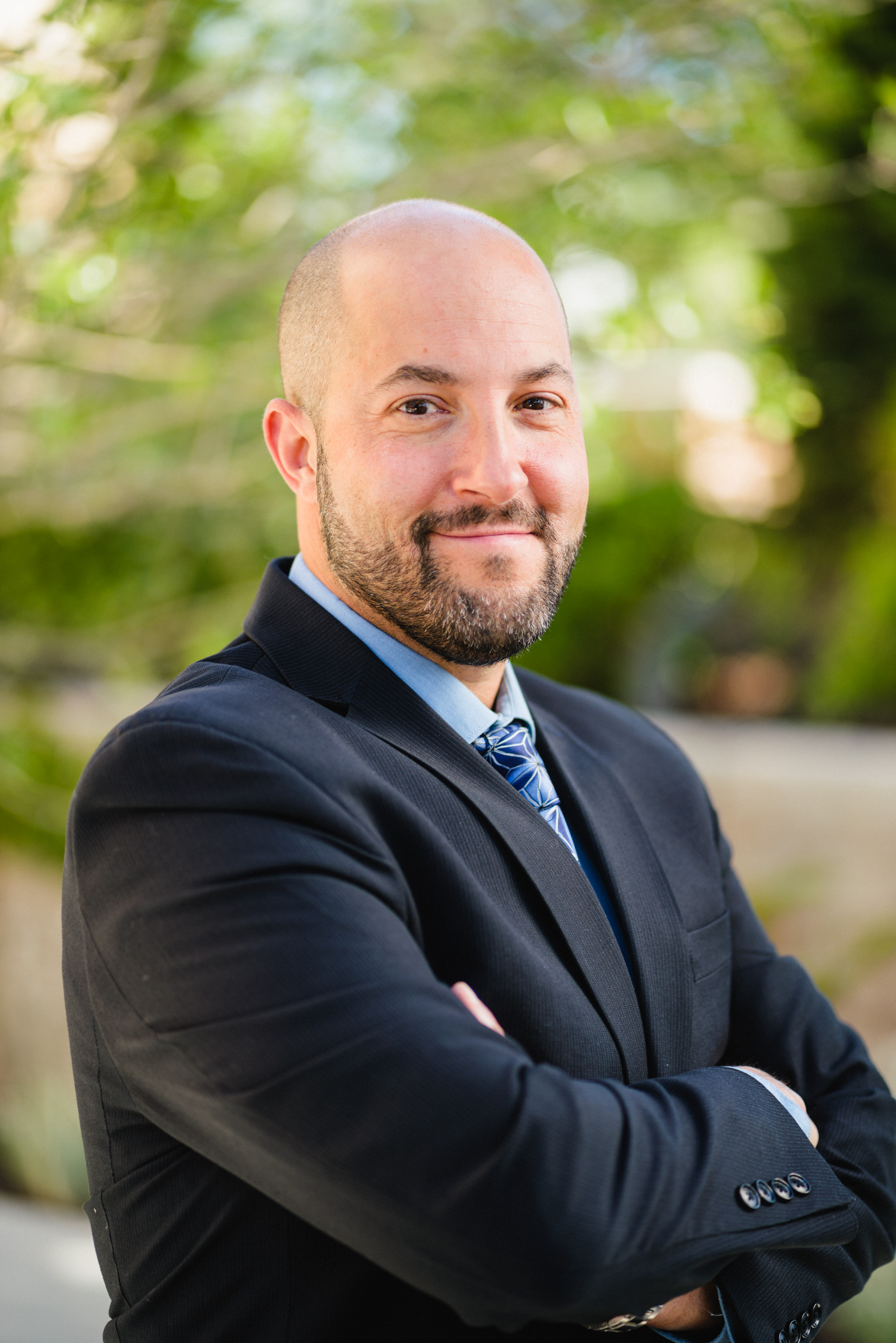
  • Eric Garland

    Eric Garland

    Project: Targeting Opioid Misuse by Modulating Interpersonal Synchrony and Empathy During Meditation

    Team: Can Ozger (PhD Student)

    Project Description: This Sanford-funded pilot study, led by Dr. Eric Garland, investigates how interpersonal synchrony and empathy between mindfulness instructors and people who use opioids may enhance treatment outcomes. Building on the evidence-based Mindfulness-Oriented Recovery Enhancement (MORE) program, the study uses EEG, heart rate variability, and facial expression analysis to measure real-time physiological coherence during guided mindfulness and compassion meditation practices. By examining whether dyadic synchrony predicts reductions in opioid craving and use, the research aims to uncover neurobiological mechanisms of social attachment and refine mindfulness protocols to optimize relational attunement—offering a novel, scalable approach to addiction recovery grounded in compassion.

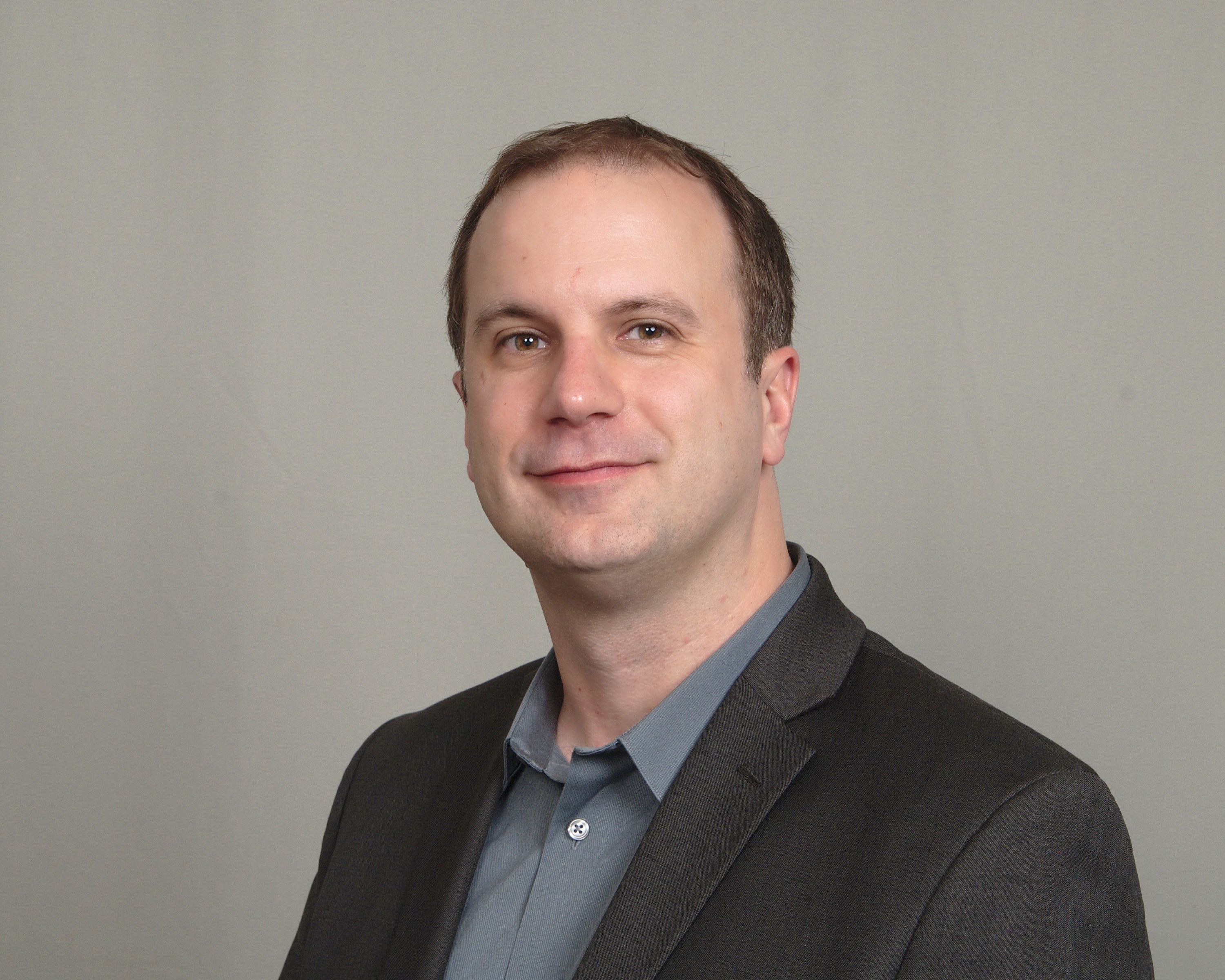
  • Monique Smith

    Monique Smith

    Project: Anterior Cingulate Cortex Mechanisms of Empathy Related Behaviors in the Mouse

    Project Description: This project will use our recently developed mouse model to examine the neural mechanisms for two key aspects of empathy: “state matching” (sharing another’s feelings, such as pain) and “consolation” (comforting a distressed partner). Specifically, we will test how serotonin and oxytocin—two neurotransmitters known to regulate mood and social behavior—contribute to empathy. By mapping how these signals work in brain regions such as the anterior cingulate cortex and nucleus accumbens, we aim to uncover the fundamental neural mechanisms of empathy and provide a foundation for developing new treatments for mental health conditions where empathy is disrupted.

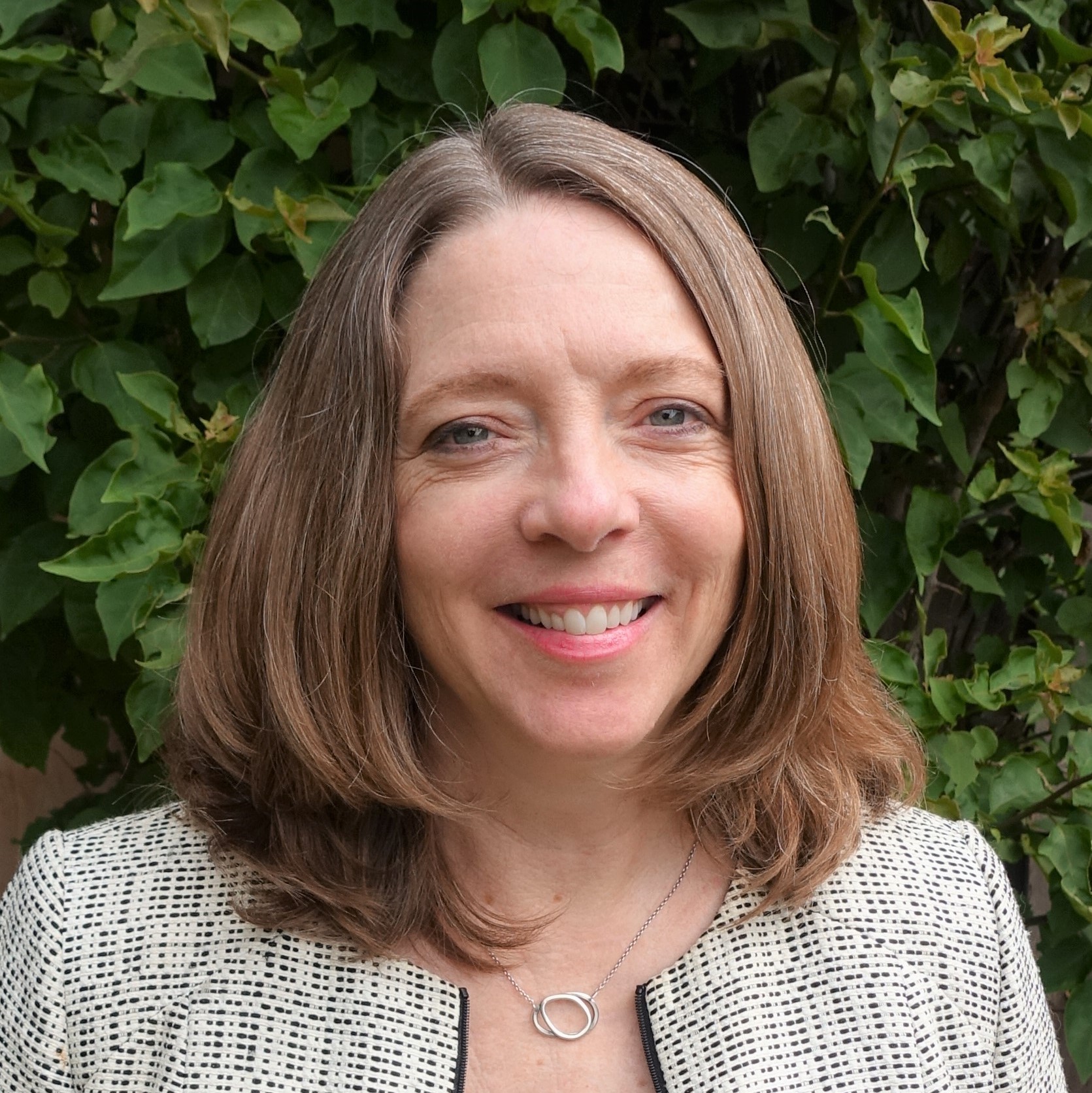
  • Justin Trotter

    Justin Trotter

    Project: Role of Neuron-Astrocyte Communication in Empathy-Like Behaviors

    Team: Neha Deshpande

    Project Description: This project explores how communication between astrocytes and neurons supports observational fear learning—the most studied form of affective empathy in rodent models. By uncovering how astrocytes help encode socially acquired fear, the research aims to reveal new cellular and molecular mechanisms that shape empathic behavior.

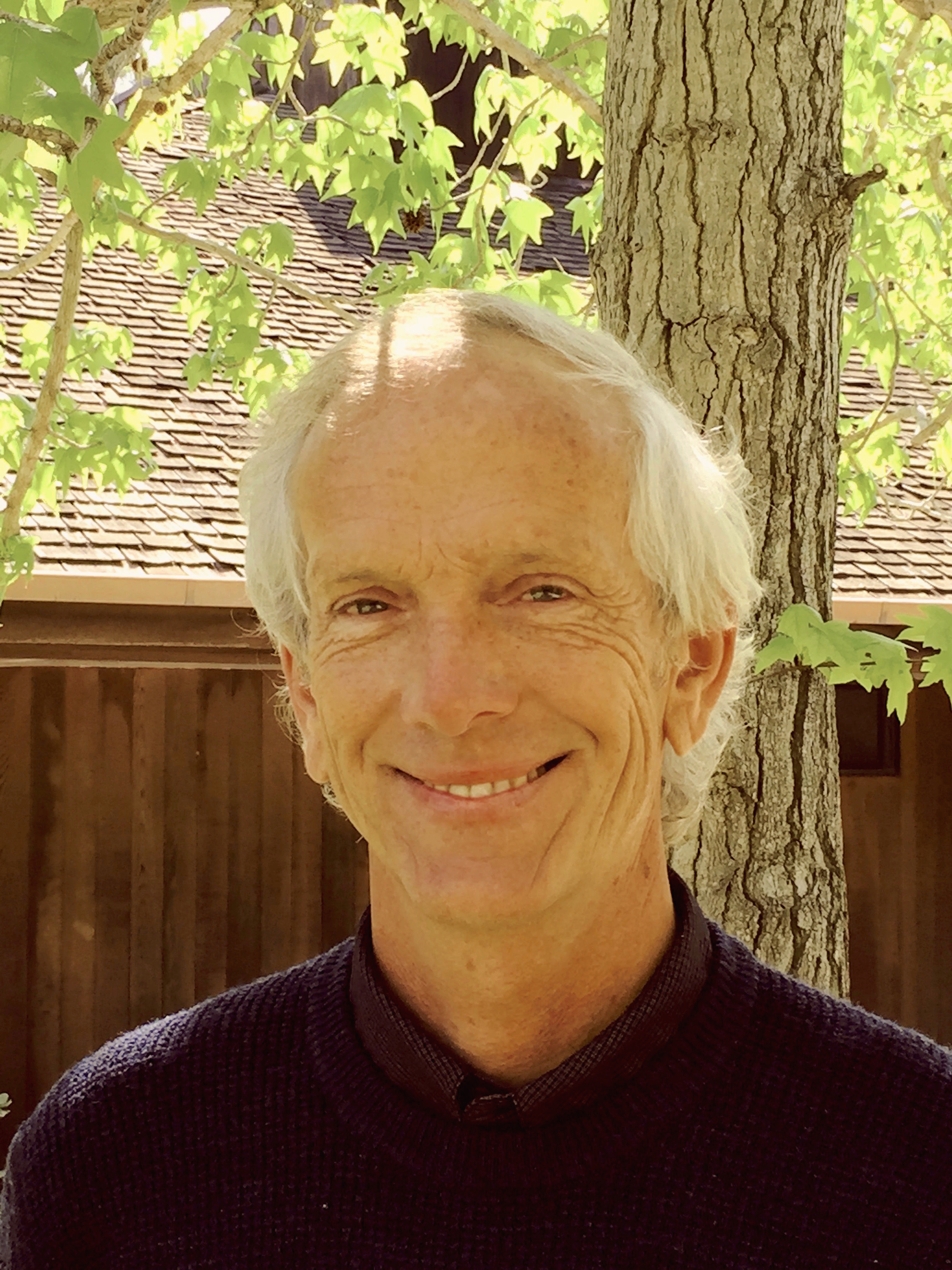
  • profile placeholder image

    Karen Dobkins

    Project: Learning Sustainable Well-Being (LSW) Program

    Team: Janna Dickenson, Silvia Gregori

    Project Description: Learning Sustainable Well-being (LSW) is a 1-unit, experiential, for-credit course created in the psychology department at UCSD to help students build healthy relationships with themselves and others. Designed in response to rising student mental health challenges and broader societal crises, LSW integrates insights from psychology, mindfulness, neuroscience, and the arts. The course has shown measurable benefits to student well-being, including resilience, emotional regulation, and compassion. Now, with Sanford and UCSD support, we are training 12 professors from across campus to teach LSW in their home departments—scaling a preventative, skill-based approach to mental health that supports student flourishing in a time of unprecedented need.

2024 Seed Grant Awardees

  • Monique Smith

    Monique Smith

    Project: Neurobiology Research Hub

    Team: Fadel Zeidan

  • profile placeholder image

    Cory Weissman

    Project: Psilocybin-Assisted Therapy to Enhance Physician Well-Being and Reduce Burnout: Clinical Efficacy and Biomarkers of Response

    Team: Kush V. Bhatt, MD, Sidney Zisook, MD, Lawrence G. Appelbaum, PhD

  • profile placeholder image

    Cassandra Vieten

    Project: An Antidote to Burnout? Countering Medical Provider Stress in Virtual Reality

    Team: Erik Viirre, MD, Trisha Williams, Joseph Unger

  • profile placeholder image

    Lindsey Burnett

    Project: Exploring Social Factors in Resilience Against Burnout in Birth Trauma

    Team: Dana Rose Canfield, MD, Cynthia Gyamfi-Bannerman, MD

2023 Seed Grant Awardees

  • profile placeholder image

    Full Name

2022 Seed Grant Awardees

  • Alessandro D'Amico

    Alessandro D'Amico

    Team: Dr. Virginia de Sa (PI), Alessandro D’Amico (Co-PI), Dr. Sarah Fabi (Co-PI)

    Project Description: Racial biases manifest in various forms from a disproportionately Black prison population in the U.S., to Black patients’ pain being consistently underestimated and symptoms inadequately treated. While education and training may be effective at reducing biases, ameliorating biases by increasing empathy and compassion is another worthy goal. In order to accurately measure changes in empathy, we must first better understand the neural correlates of empathy and how those neural correlates are modulated by racial biases. To do this, we will investigate EEG correlates of perceived pain in others versus self. We hypothesize we’ll be able to isolate the neural correlates of empathic pain by comparing the differences between a participant’s response to their own versus other faces and we further expect to see a racial bias such that White participants’ neural responses to their own face look more like those to White faces than to Black faces. Our research is an important first step toward better understanding the neural correlates of racially-modulated empathy and our findings will allow us to design novel interventions in order to ameliorate racial bias in individuals.

  • profile placeholder image

    Full Name

2021 Seed Grant Awardees

  • Alan Card

    Alan Card

    Project: A Networked Improvement Community to Improve Physician/Trainee Peer Support During the Covid-19 Pandemic

    Team: Alan Card, PhD, MPH (PI), Byron Fergerson, MD, Sidney Zisook, MD 

    Project Description: This project will test a new model for improving physician peer support. The UC San Diego Networked improvement Community for Excellence in Wellbeing (NICE Wellbeing) will provide Physician Wellness Directors in each department with improvement science tools and training to facilitate shared learning while helping address the hyper-local drivers of burnout and wellbeing. It will also serve as a platform for research and dissemination about the impacts of physician peer support efforts. 

  • Lisa Eyler

    Lisa Eyler

    Project: Stay-at-home Wellness Ecological Momentary Assessment in Late Life (StayWELL) Study

    Team: Lisa Eyler, PhD (PI), Federica Klaus, MD, PhD, Raeanne C. Moore, PhD, Colin Depp, PhD

    Project Description: StayWELL investigates the relationship of social restrictions during the coronavirus pandemic to psychological health in a well-characterized sample of older adults (>65 years). The virtual study, which began in June 2020 and is ongoing, collects self-report data, including on compassion and empathy (CE), using online questionnaires and ecological momentary assessment via mobile surveys, as well as passive assessment of keyboard use and geolocation throughout the pandemic. Prior to StayWell, participants had been randomized to one of four conditions in a 6-month intervention – two that included mindfulness meditation and two that did not; mood, cognitive performance, and positive psychological traits were assessed at baseline, 6, and 18 months. Thus, we can now examine the trajectory of changes in psychological health, including momentary measures of CE, from before to during and after the period of extended pandemic-related restrictions and understand how CE and previously-learned meditation skills might buffer negative changes due to social isolation.

  • Paul Mills

    Paul Mills

    Project: LIGHT Therapy for Reducing Burnout and Increasing Compassion in Physicians

    Team: Paul Mills, PhD (PI), Ying Choon Wu, PhD, Rusty Kallenberg, MD, Nicole Wells, Sydney Kessler, Paula Jackson, Thomas George Thudiyanplackal

    Project Description: Light-Induced Guided Healing Therapy (LIGHT) is a novel meditation program that employs light hypnosis and guided imagery to stimulate the creative imagination for advancing specific intentions. This study examines the effects of an 8-week LIGHT program for physicians to increase relaxation, decrease symptoms of burnout and increase resilience and compassion. Electroencephalographic (EEG) and electrocardiographic (ECG) data will be recorded using unobtrusive wearable sensors to examine right versus left hemisphere dominance and magnitude of frontal low alpha power along with non-linear dynamics to provide insight into changes in arousal and brain activity during LIGHT therapy that may support reductions in mental stress.

  • Jyoti Mishra

    Jyoti Mishra

    Project: Parent-Child Dual Digital Meditation & Compassion Training in Families with Child Mental Illness

    Team: Jyoti Mishra, PhD (PI), Susan Tapert, PhD, Desiree Shapiro, MD

    Project Description: The most commonly diagnosed child mental illnesses (ADHD, anxiety and depression) are prevalent in nearly 10% of US children. Building upon our prior success with digital meditation strategies in children and adults, this project will test a parent-child Cooperative meditation and Compassion (COCO) training approach as a scalable intervention for these families. We hypothesize that COCO training will sustainably ameliorate behavioral symptoms of child mental illness and will drive neuro-cognitive improvements in children. The project includes a nation-wide remote study as well as a local cohort in which measures of parent-child co-neural synchrony during co-operative meditation will be examined.

  • Federico Rossano

    Federico Rossano

    Project: Helping physicians calibrate empathetic statements during chronic pain visits

    Team: Anne White, PhD, Stephen Henry, MD, MSc, Ming Tai-Seale, PhD, MPH

    Project Description: Chronic pain is one of the most commonly discussed topics in primary care, yet both physicians and patients describe visits about chronic pain as “difficult”. These discussions likely contribute to high levels of physician stress, dissatisfaction and burnout. Relying on a mixed-method approach that will include analysis of video and audio recordings of clinical visits, post-visit questionnaires and physicians visit elicitation interviews, we aim to identify the interactional contexts in which physicians’ empathetic and compassionate statements are most effective in chronic pain routine visits. This will facilitate training and interventions to help physicians improve patient rapport when discussing chronic pain. 

  • Ming Tai-Seale

    Ming Tai-Seale

    Project: Implementing and Pilot-Testing a Coordinated Multidimensional Organizational Compassion Intervention to Reduce Burnout and Absenteeism

    Team: Marlene Millen, MD, Thomas Savides, MD, Christopher Longhurst, MD, MS, Lin Liu, PhD, Gene Kallenberg, Neal Doran, PhD

    Project Description: Exacerbated by COVID-19, physician burnout and staff absenteeism challenge many healthcare organizations. In a recent survey of UC San Diego Health physicians, 50% of respondents reported burnout, 86% reported modest to excessive frustration with EHR, 11% viewed the degree to which their care team work together as optimal, and 55% reported no mindfulness practices. The goal of this project is to develop, implement, and evaluate an organizational compassion intervention to reduce physician burnout and improve workforce stability. We aim to reduce EHR workload, implement a brief compassion team practice for integration into daily care team huddles, and evaluate their effectiveness.

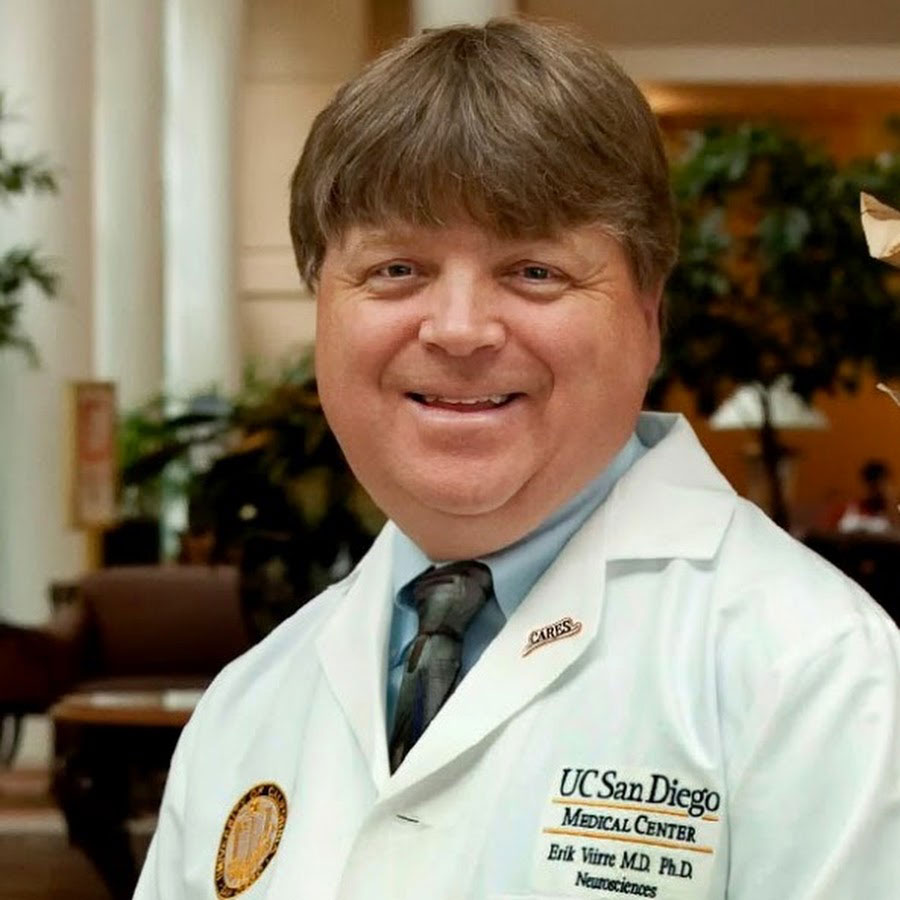
  • Erik Viirre

    Erik Viirre

    Project: Enhancing Neurobehavioral Effects of Compassion Training Using Immersive Visual Imagery

    Team: Cassandra Vieten, PhD, Ying Wu, PhD, Trisha Williams, Robert Twomey, PhD, Margaret Cullen

    Project Description: Approaches to psychosocial compassion training require eyes-closed visualization exercises. However, what if it is difficult for you to visualize? Or to quiet your mind enough to focus? Our project will explore how training for compassion may be enhanced through adding immersive virtual reality experiences mimicking these visualizations, and thus boosting the effectiveness of training. We know that similar immersive VR scenarios can reduce pain ratings during uncomfortable medical procedures, can reduce depression and anxiety, and can induce a sense of awe. Might the development of compassion be facilitated when participants can receive visual imagery support to anchor their "mind's eye"?

  • Fadel Zeidan

    Fadel Zeidan

    Project: Brain mechanisms supporting empathy cultivation and phantom limb-based analgesia by psilocybin therapy

    Team: Adam Halberstadt, PhD, Mark Geyer, PhD, Timothy Furnish, MD

    Project Description: 

  • Sidney Zisook

    Sidney Zisook

    Project: Impact of Proactive Outreach and a Pragmatic Intervention on Provider Compassion and Distress During COVID-19: A Mixed Methods Study

    Team: Judy Davidson, DPN, RN, Neal Doran, PhD, Nancy Downs, MD, Daniel Lee, MD, PhD, Isabel Newton, MD, PhD

    Project Description: The Healer Education, Assessment and Referral (HEAR) program is a unique approach to enhancing UC San Diego trainee and healthcare provider wellbeing and mental health and prevent burnout and suicide. It utilizes a multipronged approach aimed at increasing awareness, reducing stigma, identifying distressed individuals, and providing counseling and mental health referrals. Two key components are: 1) an online, anonymous Interactive Survey Program (ISP) which proactively screens for distress and facilitates referral for mental health care; and 2) a no-cost, personalized, confidential counseling program for housestaff. Focusing on these components, this study will compare pre- and post-COVID sources and levels of distress among UC San Diego healthcare providers and assess the effectiveness of HEAR’s counseling program in reducing distress and promoting compassion and wellness among house staff.

2020 Seed Grant Awardees

  • Eric Halgren

    Eric Halgren

    Project: Intracranial Empathy Research in Humans

    Team: Jerry Shih, MD, Sharona Ben-Haim, MD, Jacob Garrett, Leena Kansal, MD, June Yoshii-Contreras, MD, David Lee, MD, PhD

    Project Description: Neuroimaging with fMRI and PET have found that the experience of empathy in humans partly involves the same regions as analogous firsthand experiences. However, understanding the mechanisms of empathy requires measuring the moment by moment precise interactions between brain regions. This project will make such measurements in patients who receive intracranial electrodes to guide treatment of their epileptic seizures, revealing on the scale of the local population synaptic and action potentials, how affective and sensory states of oneself and others are mapped to neural populations, and how empathic representations are modulated by social context and personality.

  • Jyoti Mishra

    Jyoti Mishra

    Project: Training the Neural Basis of Empathic Awareness in Physician Trainees Leveraging Real-time Virtual Reality

    Team: Yuriy Svidinenko, Alana Iglewicz, MD, Dhakshin Ramanathan, MD PhD

    Project Description: Studies show that medical students, susceptible to professional burnout and emotional fatigue, can benefit from mindful meditation practice. In this project, we will deliver a highly scalable digital meditation practice to medical students and further integrate closed-loop neurofeedback of relevant anterior cingulate and insula based brain circuitry, delivered in virtual reality, as a complement to the meditative practice. In a three-arm study of (1) Digital Meditation; (2) Digital Meditation plus Neurofeedback; (3) Waitlist Control, we will investigate subjective wellness outcomes, as well as plasticity of neural and cardio-respiratory systems, in order to evaluate efficacy of the novel wellness approach.

  • Christopher Oveis

    Christopher Oveis

    Project: Neurobiological underpinnings of the relationship between loneliness and empathy

    Team: Charles T. Taylor, PhD

    Project Description: Loneliness is an increasing problem within society. Although loneliness’ adverse intrapersonal effects on health and well-being are well-known, it remains poorly understood whether loneliness also has detrimental interpersonal effects. This project examines whether loneliness diminishes empathy and compassion during face-to-face interactions, and tests reduced vagal activity as a potential neurobiological mechanism. We conduct the work through an interpersonal lens, measuring key outcomes in both empathizer and sufferer. Determining whether and how loneliness interferes with empathy and compassion will advance understanding of processes that could be targeted in efforts to reduce healthcare professional burnout and its detrimental impact on patient care.

  • Linsey Powell

    Linsey Powell

    Project: Neural foundations of helping and compassion in infancy

    Project Description: Helping and compassion emerge early in human development: at one year of age, infants already display concern for others and help them achieve simple goals. This project will use fNIRS to investigate the neural basis of early prosociality, as well as early parochialism. What infant brain systems respond when others are in need, and how do these responses predict infants’ efforts to help? What neural signals of social value predict infants’ favoritism toward some individuals over others? Characterizing the neural origins of prosocial behavior will help us understand how to promote the growth of helping and compassion early in development.

  • Laleh Quinn

    Laleh Quinn

    Project: An established paradigm for defining the physiological roots of empathy and compassion -- what can rodents teach us?

    Team: Andrea Chiba PhD, Nicole La Grange

    Project Description: Empathy is often considered to have a dual nature, one side holding an affective component, the other cognitive.  Phylogenetically more ancient, affective empathy may be considered to exist in “lower” animals that are capable of sharing the emotional state of others.  Our studies utilize a rodent model to shed light on the roots of both affective empathy and compassion. We will determine whether rats share in the distress of another, and whether such shared affect enhances or hinders helping behavior, a proxy for compassion. Our findings could also have the benefit of resulting in a better understanding, and thus treatment of “lower” animals.

  • Fadel Zeidan

    Fadel Zeidan

    Project: Brain mechanisms supporting empathy cultivation, compassion development, and pain-relief by compassion-based mental training

    Team: Thomas Liu, PhD (Investigator), Douglas Ziedonis, MD (Investigator)

    Project Description: The proposed longitudinal psychophysical and neuroimaging study will examine the effects of three different standardized and validated 8 week mental training interventions [Compassion Cultivation Training (CCT); Mindful Self-Compassion (MSC); Mindfulness-Based Stress Reduction (MBSR)] on behavioral and neural empathy, compassion, and pain responses. We will employ a functional MRI (fMRI) based standardized pain empathy evocation paradigm to determine if mental training increases behavioral and neural empathetic responses. The proposed research activities are highly novel and will provide one of the most comprehensive mechanistic dissection of CCT, MSC, and MBSR performed to date.